 GO WITH YOU


1A brief introduction to Indian saris
1.1 History of the Indian sari
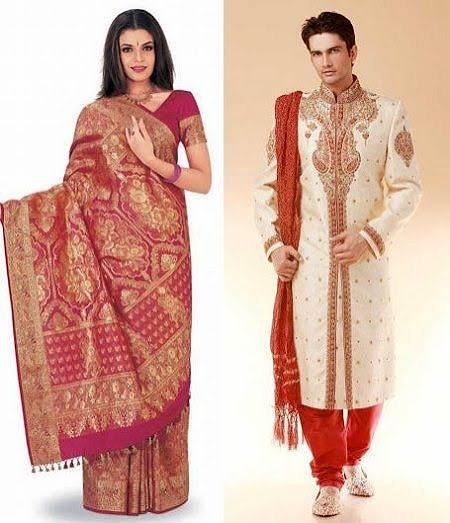
The sari (also known as the Indian saree) is the traditional attire of the Indian people, showcasing the unique cultural beauty of the country. The Indian sari has a long history, evolving and developing over millennia. From the simple dhoti form of the Indus period, the sari has gradually become more stylized and sophisticated.
The following centuries marked a brilliant flourishing of Indian textile art. Sophisticated knitting, dyeing, and embroidery techniques transformed the sari into a true work of art. Entering the 20th century, the sari continued to adapt to the times. Fabrics became more diverse, and modern printing techniques were employed, resulting in rich and eye-catching patterns. The sari became everyday attire, showcasing the elegance and individuality of contemporary Indian women.
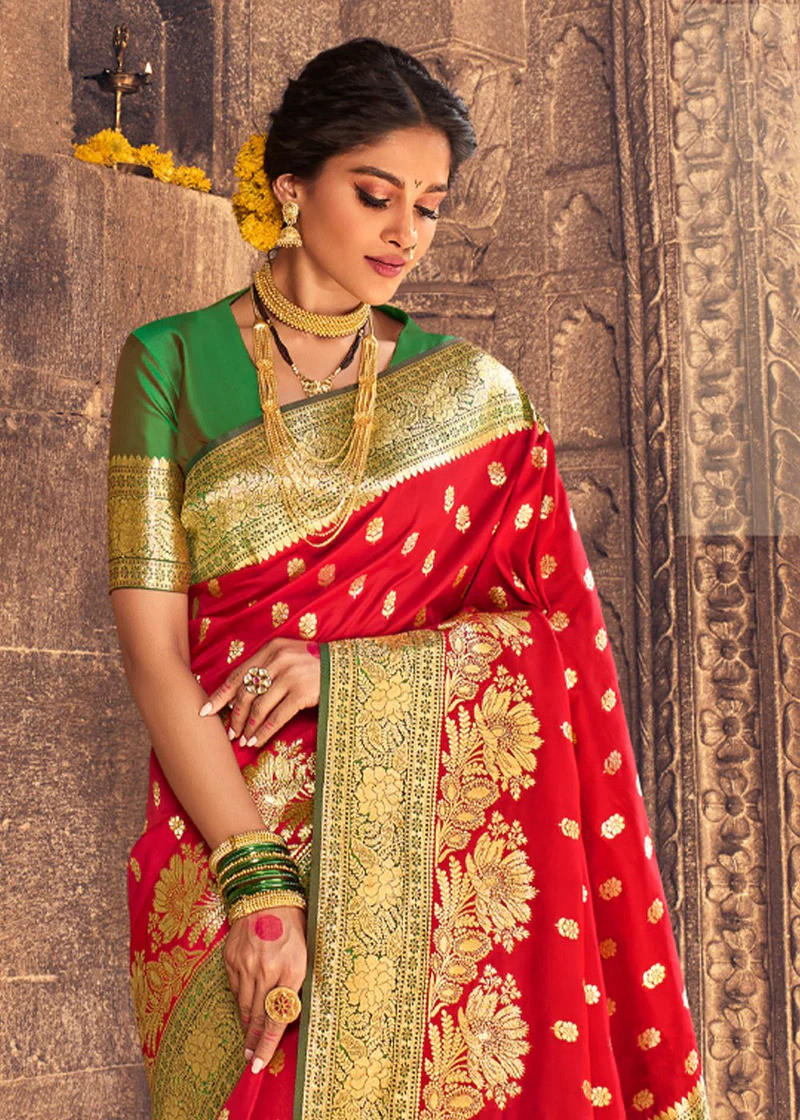
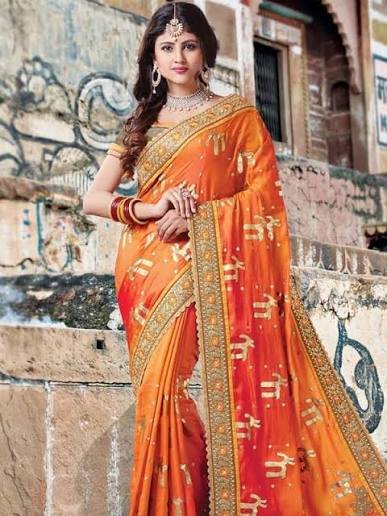
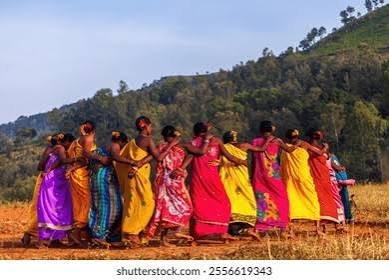
Indian sari is the traditional attire of the people of India, showcasing the unique cultural beauty of the country.
1.2 The Importance of the Sari in Indian Culture
Indian saris hold sacred significance, deeply intertwined with spiritual life and traditional rituals. When traveling in India and attending religious festivals or weddings, saris are carefully chosen to show respect to the deities and mark important moments. Each region across India possesses its own unique sari styles, reflecting cultural diversity and local identity.
The sari is also a symbol of femininity. Its soft lines accentuate the graceful figure of a woman, while its intricate patterns showcase skill and sophistication. Wearing a sari also requires dexterity and meticulousness. This is a traditional ritual passed down through generations of Indian women, strengthening family bonds and preserving precious cultural values.
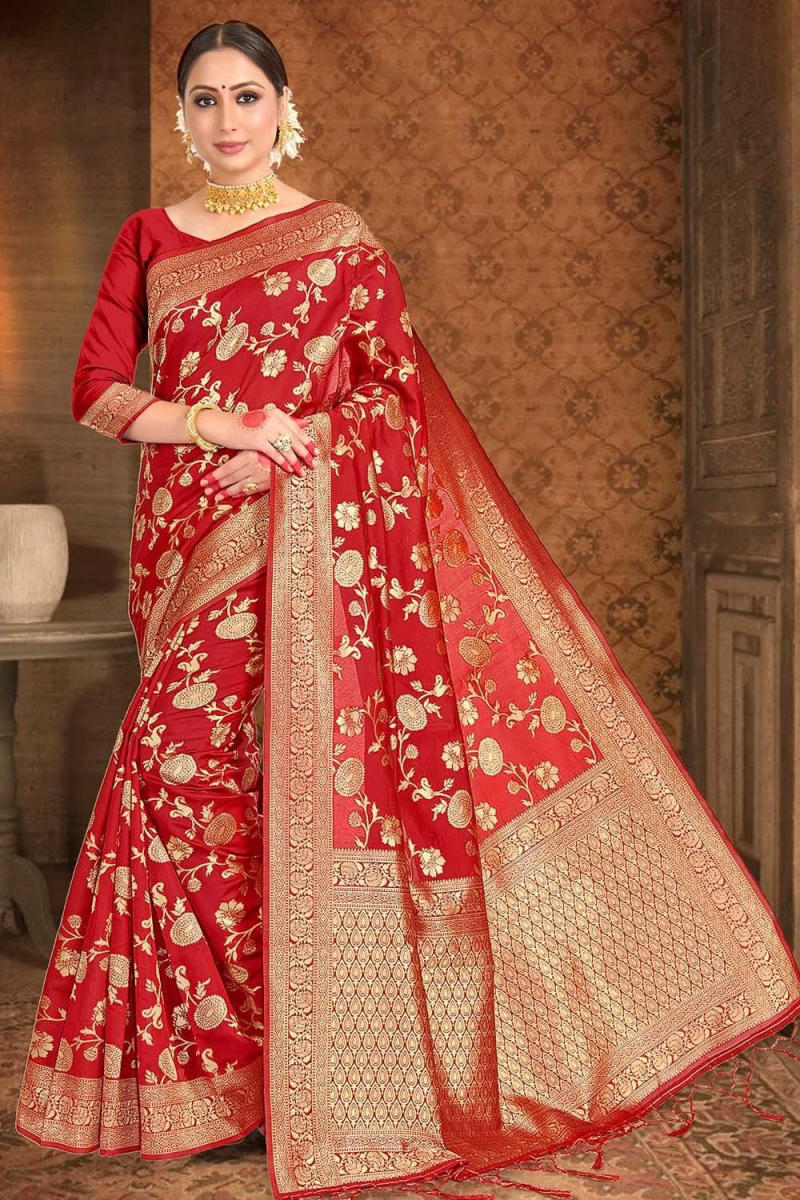
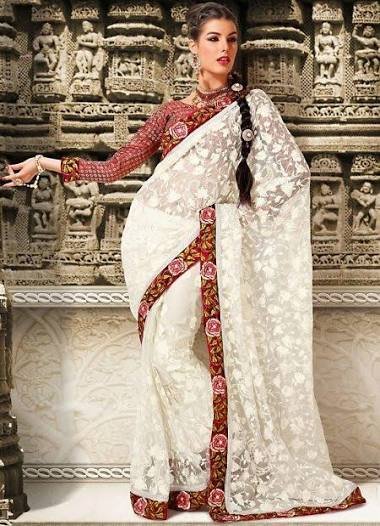
Indian saris hold sacred significance, deeply intertwined with spiritual life and traditional rituals.
2Characteristics of this outfit
2.1 Vibrant colors on a variety of fabrics
Saris are made from a variety of fabrics, offering a rich diversity of colors, patterns, and feel when worn. According to MIA.vn’s research, some of the fabrics listed below are commonly used to make Indian saris. This variety of materials provides a wide range of choices and reflects the sophisticated weaving skills of the Indian people throughout history.
– Cotton fabric: This is the most traditional and popular material, favored for its breathability and excellent sweat absorption, making it suitable for India’s tropical climate. Cotton fabrics are often hand-woven, creating intricate patterns and reflecting folk art.
– Silk: In addition, silk offers elegance and sophistication. Varanasi silk, woven using traditional techniques, is renowned for its softness, smoothness, and delicate jacquard weave patterns.
– Silk: When ordering a custom-made Indian sari, silk is a must-mention, a high-quality material with excellent durability and light-reflecting properties. Mysore silk is favored for its meticulously hand-embroidered patterns and is often used for important festivals.
– Muslin: Muslin – a light, airy fabric – was once a symbol of luxury for the aristocracy. Today, muslin is still used to create elegant and breathable saris, perfect for summer.

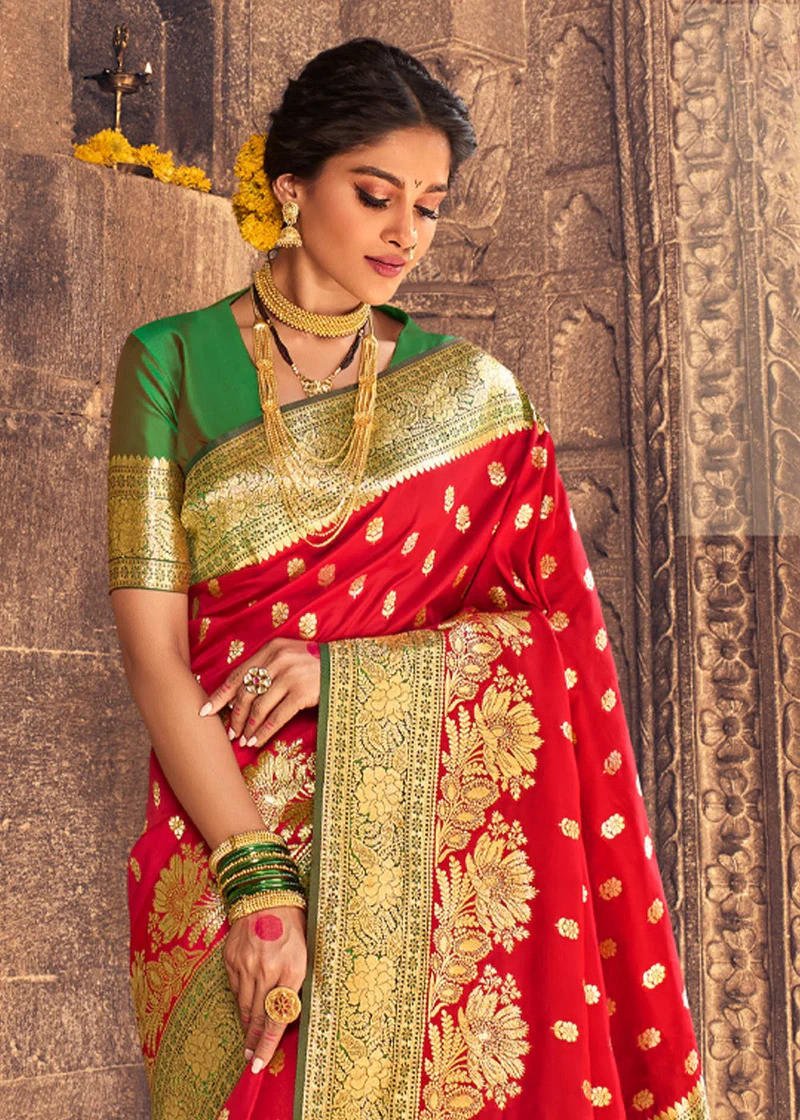
Saris are made from a variety of fabrics, offering a rich diversity of colors, patterns, and feel when worn.
2.2 Countless designs, myriad styles
Saris come in many different styles and designs. Each region across India has its own unique variations, reflecting the distinct cultural identity and aesthetic taste of its people. Let’s explore some of the popular styles favored by locals, as suggested by MIA.vn’s travel guide .
– Sari Kanjeevaram: Famous for its zari patterns woven with gold and silver threads, shining brightly on Mysore silk.
– Sari Paithani: Characterized by geometric patterns and animal motifs woven onto Peshwa silk fabric.
– Sari Bandhani: Distinguished by its sophisticated tie-dye technique, creating unique patterns and designs.
– Sari Lehenga: A combination of a long lehenga dress and a dupatta shawl, often worn at weddings to create a magnificent and elegant look.
Furthermore, the ways of wrapping a sari are incredibly diverse. Each region has its own unique way of wrapping, reflecting local traditions and accentuating the woman’s figure. The traditional Nivi style of South India, the Gujarati style popular in the West, or the distinctive Bengali style of Bengal all offer distinct beauty.
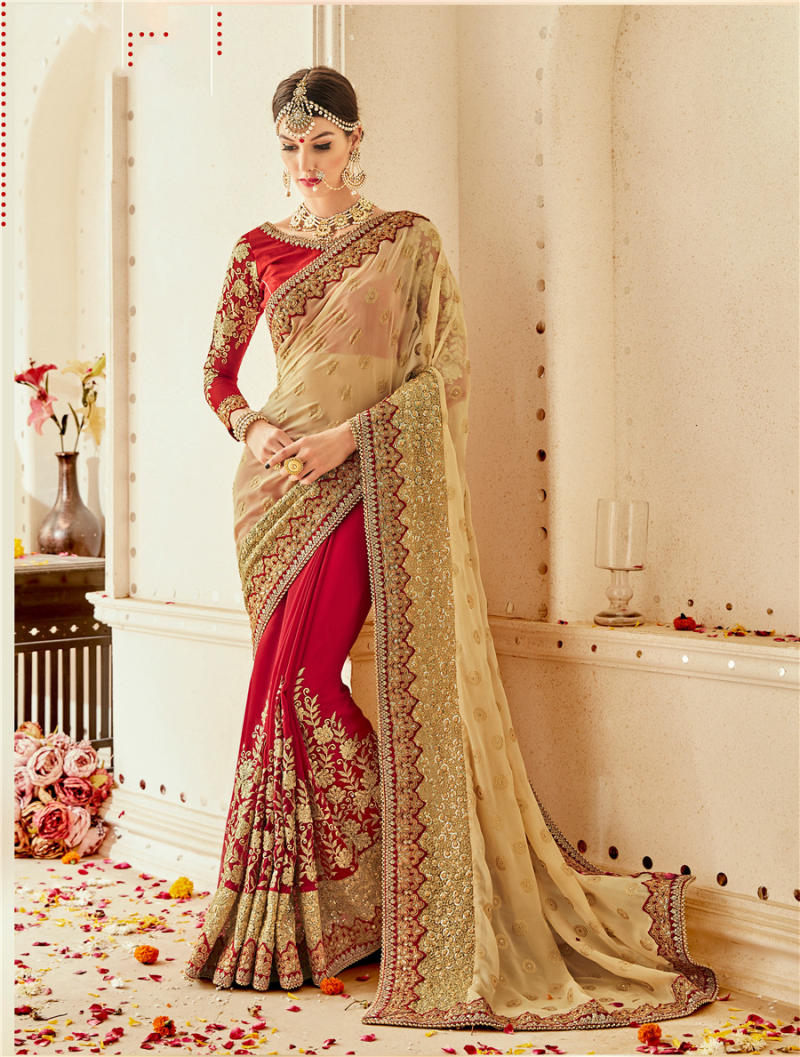
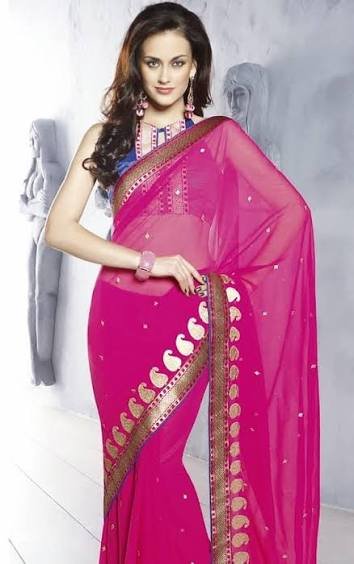
Saris come in a wide variety of styles and designs for the wearer to choose from.
2.3 Complex Structure
An Indian sari is not simply a piece of fabric, but a complex structure requiring skill and meticulousness in the sewing process. The main part of the sari is usually 4 to 9 meters long, woven into a rectangular piece of fabric. The sari can be decorated with intricate woven, embroidered, or beaded patterns.
Meanwhile, the pallu, the top (bottom) of the sari, is usually elaborately woven with eye-catching patterns. The pallu is often draped over the shoulder or used to cover the head, adding a striking touch to the outfit. A blouse is typically worn underneath the sari to cover the upper body. The style and pattern of the blouse can be chosen according to personal preference and style.
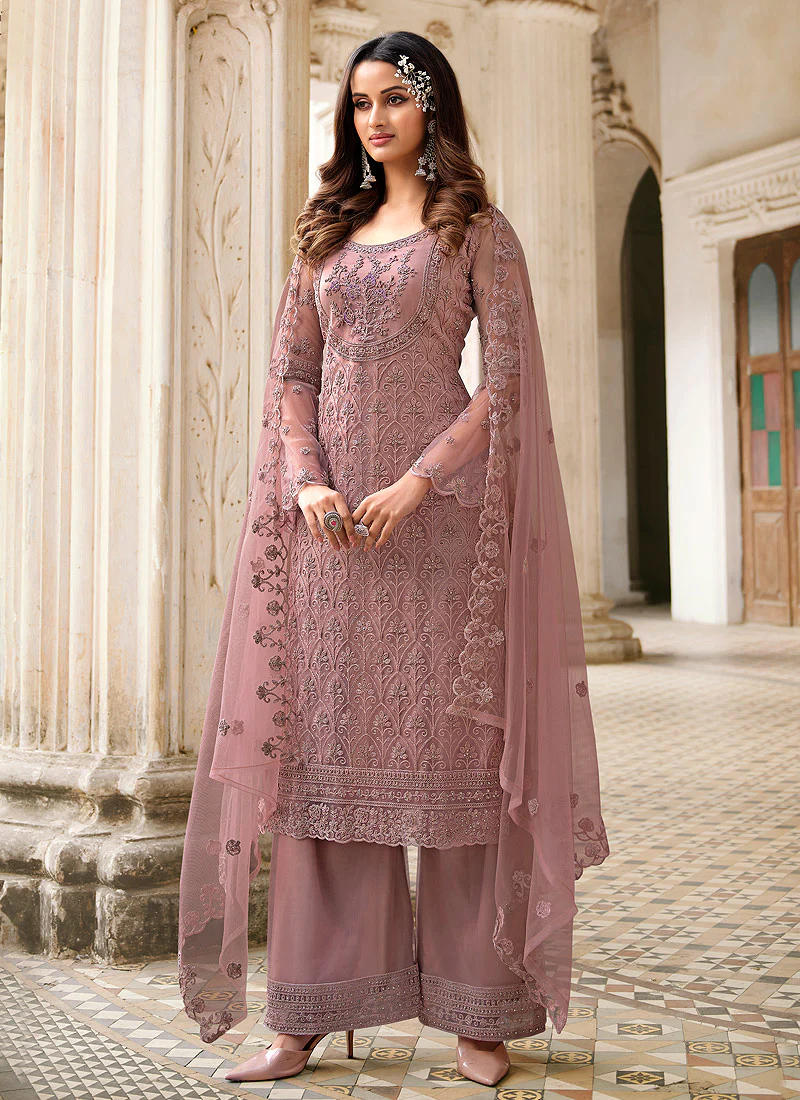
Indian saris require skill and meticulousness in the sewing process.
3The difference between traditional and modern saris.
Although saris share the same name, they differ significantly between the past and present. These differences are evident in the materials, styles, and ways of wearing them, reflecting changes in living conditions, aesthetic tastes, and the pace of modern life. Traditional Indian saris primarily used hand-woven cotton fabrics, which were environmentally friendly and suitable for the hot and humid climate. In contrast, modern saris are more diverse in materials, offering a wider range of choices and suitability for various occasions.
While saris in the past often featured simpler colors and patterns, focusing primarily on elegance and modesty, today you’ll find a wide variety of patterns, colors, and styles. Modern and innovative patterns are favored, offering a youthful and individualistic look.
Traditional sari wrapping techniques are meticulous and time-consuming. Nowadays, more modern and simpler Indian sari wrapping styles have emerged, better suited to the fast-paced lifestyle. Furthermore, sari accessories have also been stylized to enhance a modern look. These subtle innovations allow the sari to both preserve its cultural value and meet the aesthetic needs of modern wearers.
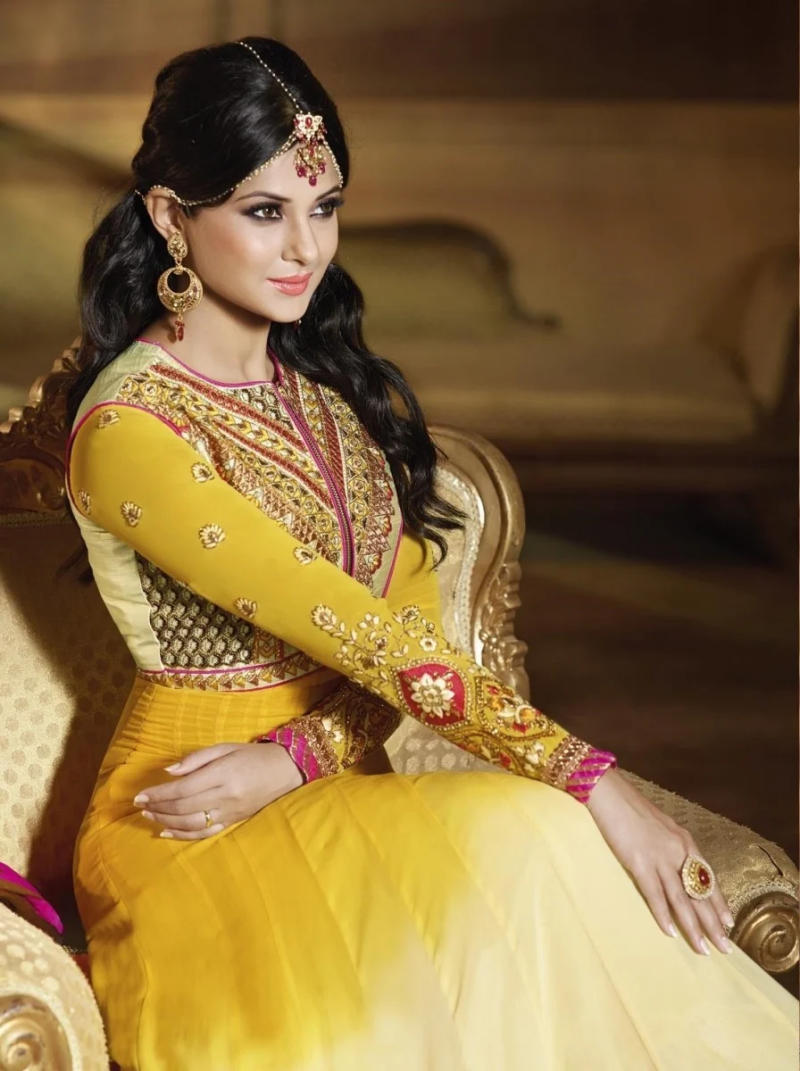
Although the sari of the past and present share the same name, they possess distinct differences.
4Conclude
The Indian sari has become a cultural symbol and a source of pride for the people of India. Whether in the past or present, the image of an Indian woman in a flowing sari always exudes grace, elegance, and a deep appreciation for traditional values. The sari will forever remain a vibrant part of the country’s cultural heritage, honoring and showcasing its beauty. If you ever have the chance to travel here, don’t forget to try on an Indian sari at least once!
Sản phẩm tương tự
Vip service

Vip service
Vip service

Vip service
Vip service

Vip service


Vip service